Uncategorized
Who Will Be in Heaven?
️ Who Will Be in Heaven?
A Thoughtful Exploration for Ministry-Minded Families
Heaven is the hope that anchors the soul. It’s the promise whispered in grief, the joy anticipated in worship, and the destination that gives meaning to our journey. But beneath the poetry and longing lies a question that stirs both curiosity and concern: Who will be in heaven?
This isn’t just a theological inquiry — it’s a deeply personal one. Parents wonder about their children. Ministers pray for their congregations. Believers wrestle with assurance. And seekers ask, “Will I be there?”
Let’s walk gently through Scripture to explore this question with clarity, compassion, and conviction.

Heaven Is for Those Who Trust in Christ
“Jesus saith unto him, I am the way, the truth, and the life: no man cometh unto the Father, but by me.”
— John 14:6 (KJV)
This verse is both exclusive and inclusive. It’s exclusive in that there is only one way to heaven — through Jesus Christ. But it’s inclusive in that anyone who believes in Him is welcomed. Heaven is not earned by merit, heritage, or religious performance. It is received by grace through faith.
The thief on the cross had no time to perform good deeds, attend church, or memorize Scripture. Yet Jesus said to him, “Today shalt thou be with me in paradise” (Luke 23:43). Why? Because he believed.
This truth brings comfort to those who feel unworthy or uncertain. Heaven is not for the perfect — it’s for the redeemed.
Heaven Welcomes the Childlike in Faith
“Whosoever shall not receive the kingdom of God as a little child, he shall not enter therein.”
— Mark 10:15 (KJV)
Children are often used in Scripture to illustrate the posture of faith required for heaven. Not because they are naïve, but because they are trusting. They come without pretense, without bargaining, without pride.
This verse also offers hope to grieving parents. While Scripture doesn’t give exhaustive detail about the eternal destiny of children, it consistently affirms God’s compassion, justice, and mercy. David, after losing his infant son, said with confidence, “I shall go to him, but he shall not return to me” (2 Samuel 12:23).
Heaven is not just for theologians and scholars — it is for those who come with childlike trust.

Heaven Is Not Limited by Earthly Categories
“After this I beheld, and, lo, a great multitude, which no man could number, of all nations, and kindreds, and people, and tongues, stood before the throne…”
— Revelation 7:9 (KJV)
Heaven will be more diverse than we can imagine. It will include people from every culture, language, and background. The gospel is not Western, Eastern, ancient, or modern — it is eternal. And its reach is global.
This truth challenges any notion of exclusivity based on race, nationality, denomination, or tradition. Heaven is not a gated community — it is a redeemed family.
For ministry-minded families, this is a call to raise children with a global vision of the gospel. To teach them that heaven is not just for “people like us,” but for all who call on the name of the Lord.
Heaven Is Not Earned — It’s Received
“For by grace are ye saved through faith; and that not of yourselves: it is the gift of God.”
— Ephesians 2:8 (KJV)
This verse dismantles every works-based theology. Salvation is not a reward for good behavior — it is a gift for those who believe. Heaven is not a trophy — it is a home prepared by grace.
This truth brings peace to the anxious believer who wonders, “Have I done enough?” The answer is simple: you never could. But Jesus did.
For families, this means modeling grace in the home. Teaching children that obedience flows from love, not fear. That heaven is not a prize to be won, but a promise to be trusted.

Practical Tip: Share the Hope of Heaven
Each week, choose one person — a friend, neighbor, coworker, or family member — and share a gentle word of hope. It doesn’t have to be a sermon. It can be a verse, a prayer, or a simple “I’m praying for you.”
Heaven becomes more real when we share its promise. And sometimes, your quiet witness is the seed that leads someone home.
The Case for Heaven by Lee Strobel
This accessible, investigative book explores the evidence for life after death and the biblical promise of heaven. Ideal for seekers, skeptics, and families wanting to deepen their understanding.
Topics include:
- Near-death experiences and biblical parallels
- What Jesus taught about eternity
- How heaven changes how we live now
>Get His Book Here – The Case For Heaven – Lee Strobel – Get His Book Here<<
Consider This
Heaven is not a reward for the righteous — it is a refuge for the redeemed. As you reflect on who will be in heaven, remember that the question is not “Have I done enough?” but “Do I trust the One who did it all?”
Let that truth shape your prayers, your parenting, and your purpose.

What Is Heaven Really Like?
️ What Is Heaven Really Like?
A Gentle Exploration for Ministry-Minded Families
Heaven. The very word evokes a sense of longing, comfort, and mystery. For many believers, it’s the ultimate promise — a place of reunion, peace, and eternal joy. But beyond poetic imagery and cultural assumptions, what does Scripture actually reveal about heaven’s nature? Is it symbolic, or can we glimpse its reality through God’s Word?
This post gently explores what heaven is really like, offering biblical insight, practical encouragement, and a spiritually grounded perspective for ministry-minded families.

Heaven Is a Prepared Place
“In my Father’s house are many mansions: if it were not so, I would have told you. I go to prepare a place for you.”
— John 14:2 (KJV)
Jesus didn’t speak in metaphors here — He spoke plainly. Heaven is not a vague spiritual concept or a dreamlike state. It is a prepared place, intentionally designed for those who love Him. The word “mansions” in the King James translation evokes permanence, beauty, and abundance. It’s a reminder that heaven is not just a destination — it’s a home.
This verse also reveals something deeply personal: Jesus Himself is preparing it. That means heaven is tailored for intimacy, relationship, and belonging. It’s not generic. It’s personal.
Heaven Is a Place of Restoration
“And God shall wipe away all tears from their eyes; and there shall be no more death, neither sorrow, nor crying, neither shall there be any more pain: for the former things are passed away.”
— Revelation 21:4 (KJV)
This verse is often quoted at funerals, but its power goes far beyond comfort in grief. It paints heaven as a place of complete restoration — not just the absence of pain, but the presence of divine healing. God doesn’t just remove suffering; He replaces it with joy, peace, and wholeness.
For families who have endured loss, trauma, or hardship, this promise is deeply personal. Heaven is where brokenness is mended, and every tear is accounted for and gently wiped away by the hand of God.

Heaven Is Our True Home
“For here have we no continuing city, but we seek one to come.”
— Hebrews 13:14 (KJV)
Earth is temporary. Heaven is enduring. This verse reminds us that our deepest longings — for security, permanence, and peace — are not misplaced. They are echoes of eternity. We are pilgrims here, but citizens there.
This truth can reframe how we live. When we see heaven as our true home, earthly disappointments lose their sting. We begin to live with open hands, knowing that the best is yet to come.
Heaven Is the Presence of God
“Whom have I in heaven but thee? and there is none upon earth that I desire beside thee.”
— Psalm 73:25 (KJV)
Heaven is not just a location — it’s a relationship. The psalmist reminds us that the greatest joy of heaven is not the streets of gold or the absence of pain, but the presence of God Himself. Heaven is where intimacy with God is unbroken, uninterrupted, and eternal.
This verse also challenges us: if we desire God above all else, heaven becomes not just a future hope but a present pursuit. We begin to live heaven-minded lives, shaped by worship, surrender, and love.

Practical Tip: Cultivate a Heaven-Minded Heart
In the busyness of life, it’s easy to lose sight of eternity. But cultivating a heaven-minded heart doesn’t require dramatic changes — just intentional moments.
Try this: each morning, take five minutes to reflect on eternity. Ask yourself, “What choices today reflect my hope in heaven?” Write down one action you’ll take — whether it’s forgiving someone, praying with your child, or choosing peace over worry.
This simple practice can shift your mindset from earthly stress to eternal peace.
Heaven: Biblical Answers to Common Questions by Randy Alcorn
For families seeking clarity and comfort about heaven, this book is a gentle guide. Randy Alcorn answers common questions with biblical depth and pastoral sensitivity. It’s ideal for devotional reading, small group discussion, or personal study.
Topics include:
- Will we recognize loved ones?
- What will we do in heaven?
- Is heaven physical or spiritual?
- How does heaven affect how we live now?
Consider This
Heaven is not just a destination — it’s a promise woven into every moment of faith. As you reflect on eternity, let your heart be shaped by the hope of what’s to come. Pause today and ask: “How does heaven change the way I live right now?”
Will We Have Responsibilities in Heaven?
Will We Have Responsibilities in Heaven?
Many believers wonder what life will be like beyond the veil. Will heaven be a place of eternal rest—or purposeful activity? Scripture offers glimpses of a future where responsibility, stewardship, and joyful service continue in glorified form. Let’s explore what the Bible says about our eternal roles and why this truth brings hope.
Heaven Is Not Idleness—It’s Fulfillment
Heaven is often imagined as a place of rest, but rest doesn’t mean inactivity. The Bible paints a picture of meaningful engagement with God’s kingdom.
“And there shall be no night there; and they need no candle, neither light of the sun; for the Lord God giveth them light: and they shall reign for ever and ever.”
—Revelation 22:5 (KJV)
This reign is not symbolic—it’s a shared rulership with Christ over His restored creation. It reflects our restored identity as sons and daughters of the King. That implies leadership, stewardship, and responsibility—just as Adam was given dominion in Eden, we will be entrusted with divine tasks in the New Heaven and Earth.
Eternal Stewardship: A Continuation of God’s Design
God created man to work, tend, and steward. That design doesn’t vanish in eternity—it’s perfected.
“His lord said unto him, Well done, thou good and faithful servant: thou hast been faithful over a few things, I will make thee ruler over many things: enter thou into the joy of thy lord.”
—Matthew 25:21 (KJV)
This verse suggests a reward of responsibility. Faithfulness on earth leads to greater roles in heaven—roles that reflect God’s trust and our eternal purpose.

What Kind of Responsibilities Might We Have?
While Scripture doesn’t give exhaustive details, it hints at several possibilities:
- Worship leadership
- Teaching and mentoring
- Judging angels (1 Corinthians 6:3)
- Caring for creation in its redeemed form
- Serving in heavenly governance
“Know ye not that we shall judge angels? how much more things that pertain to this life?”
—1 Corinthians 6:3 (KJV)
Though Scripture doesn’t elaborate, this judgment likely reflects our participation in God’s justice and governance—not condemnation, but alignment with His will. It’s a glimpse into the spiritual authority believers will carry in eternity.
Responsibility Without Burden
Unlike earthly toil, heavenly responsibility will be joyful, energizing, and free from fatigue or frustration.
“They shall not labour in vain, nor bring forth for trouble; for they are the seed of the blessed of the Lord, and their offspring with them.”
—Isaiah 65:23 (KJV)
In Eden, labor became toil through sin (Genesis 3:17–19), but in heaven, work is restored to its original joy—free from weariness, futility, or sorrow. Our tasks will be fulfilling, not draining.
Why This Matters Now
Understanding our future responsibilities helps us live with purpose today. It reminds us that our earthly stewardship echoes into eternity.
“Set your affection on things above, not on things on the earth.”
—Colossians 3:2 (KJV)
Whether you’re leading a ministry, raising children, or serving quietly behind the scenes, your faithfulness echoes into eternity. Living with heaven in view transforms how we serve, lead, and love now.
Consider This
Heaven isn’t just a destination—it’s a continuation of God’s design for purposeful living. Your faithfulness today is shaping your eternal assignment. Let that truth inspire diligence, joy, and hope.
The Thief on the Cross: Proof That Grace Needs No Resume
️ The Thief on the Cross: Proof That Grace Needs No Resume
He was no saint. No scholar. No servant. His hands, now pierced, had held instruments of crime. His body, wrecked by punishment, bore the marks of justice delivered. And yet, in his final breath — while nailed beside the Savior of the world — something eternal unfolded.
The thief on the cross didn’t earn a place in paradise. He received it.
This isn’t just a footnote in the crucifixion story. It’s a declaration: salvation isn’t complicated — it’s impossible without grace.

A Glimpse of the Unexpected
At Calvary, three crosses stood, but only one bore innocence. The man in the middle, Jesus Christ, bled for sins He didn’t commit. On either side, criminals — condemned not just by Rome, but by their own choices — shared the moment.
One thief mocked Him: “If thou be Christ, save thyself and us.” (Luke 23:39 KJV)
The other rebuked his partner in crime. Something had awakened within him. Fear of God. Recognition of guilt. Awareness of truth.
“Dost not thou fear God, seeing thou art in the same condemnation?” he asked. Then turning to Jesus, he spoke words that would echo for centuries:
“Lord, remember me when thou comest into thy kingdom.” — Luke 23:42 (KJV)
He didn’t ask for healing. He didn’t demand freedom. He simply reached — with the kind of faith only desperation can inspire.
A Promise from the King
Then Jesus responded with divine finality:
“Verily I say unto thee, Today shalt thou be with me in paradise.” — Luke 23:43 (KJV)
He didn’t tell the thief to get baptized. Didn’t tell him to make restitution. No formula, no sacraments, no checklist. Just a promise.
This wasn’t a poetic sentiment or ambiguous comfort. It was either absolute truth — or a staggering lie. And since Jesus is “the way, the truth, and the life” (John 14:6 KJV), we accept it as the former.
Christ’s words answer one of Christianity’s most misunderstood questions: What does it take to be saved?

Understanding True Repentance
Critics have asked: was the thief truly repentant, or simply hedging bets in his final hour?
Let’s consider his posture:
- He admitted guilt.
- He feared God.
- He acknowledged Jesus as King.
- And he surrendered — with no expectation of physical reward.
That’s not manipulation. That’s repentance. A heart bowed low, awakened by grace.
His change wasn’t intellectual — it was spiritual. And what happened next confirms it. Jesus didn’t ignore him. He welcomed him.
“And Jesus said unto him, Verily I say unto thee, Today shalt thou be with me in paradise.” — Luke 23:43 (KJV)
Either the thief was truly saved — or Jesus is a liar. And we know He is the way, the truth, and the life.
⚖️ Not Saved by Works
In the thief’s final hours, he had no opportunity to come down and do good deeds. No charity. No service. No preaching.
He had nothing to offer — and that’s precisely the point.
“For by grace are ye saved through faith; and that not of yourselves: it is the gift of God:
Not of works, lest any man should boast.” — Ephesians 2:8–9 (KJV)
The thief’s salvation stands as eternal proof: it is God who saves, not man who earns.
️ Can Last-Minute Salvation Be Real?
There’s a tendency among believers to be skeptical of late conversions. They question authenticity. Was it emotional? Was it sincere?
Scripture answers with clarity:
“And when he is come, he will reprove the world of sin, and of righteousness, and of judgment.” — John 16:8 (KJV)
No soul turns toward God without the Holy Spirit’s prompting. And when the thief opened his lips to ask for mercy, Heaven had already begun the work in his heart.
Consider This
The thief never came down off his cross — but Jesus came up from the grave.
That’s the story.
The nail-scarred Savior who welcomed a criminal into paradise is the same one who welcomes anyone today — with no prerequisites beyond faith.
And for the skeptics who still ask, “Was the thief truly saved?” we simply offer Christ’s words:
“Today shalt thou be with me in paradise.” — Luke 23:43 (KJV)
What Language Will We Speak in Heaven?
What Language Will We Speak in Heaven?
Introduction
Language is one of the most powerful tools God has given humanity. It connects us, divides us, and shapes how we understand the world. But what happens to language when we enter eternity? Will we speak English, Hebrew, or a divine tongue unknown to us now? In this post, we’ll explore what the Bible says—and doesn’t say—about the language of heaven, and how God’s plan for unity and understanding may be reflected in our eternal speech.

The Origin of Language: A Divine Gift
From the beginning, language was part of God’s design. Adam named the animals, spoke with God, and communicated with Eve. But after the fall and the Tower of Babel, language became a source of division.
Genesis 11:7 “Go to, let us go down, and there confound their language, that they may not understand one another’s speech.”
God scattered humanity by confusing their languages, yet His redemptive plan always pointed toward unity.
Pentecost: A Glimpse of Heavenly Unity
The Day of Pentecost offers a powerful preview of what heavenly communication might look like—people of different nations understanding one another through the Spirit.
Acts 2:6 “Now when this was noised abroad, the multitude came together, and were confounded, because that every man heard them speak in his own language.”
This miracle reversed Babel’s confusion, suggesting that in heaven, language may no longer be a barrier.
Will We Speak One Language in Heaven?
The Bible doesn’t explicitly name a “heavenly language,” but it does hint at perfect understanding and unity.
1 Corinthians 13:1 “Though I speak with the tongues of men and of angels, and have not charity, I am become as sounding brass, or a tinkling cymbal.”
Paul’s mention of “tongues of angels” suggests a celestial form of speech—perhaps one that transcends earthly dialects.

The Language of Worship
In heaven, worship is central. Revelation paints a picture of multitudes praising God in harmony.
Revelation 7:9-10 “After this I beheld, and, lo, a great multitude…stood before the throne…and cried with a loud voice, saying, Salvation to our God which sitteth upon the throne, and unto the Lamb.”
Despite their earthly differences, they speak with one voice. This unity may imply a shared language—or perfect understanding regardless of language.
Will We Understand Each Other Instantly?
In heaven, our minds and spirits will be transformed. Miscommunication, confusion, and language barriers will be gone.
1 Corinthians 13:12 “For now we see through a glass, darkly; but then face to face: now I know in part; but then shall I know even as also I am known.”
This verse suggests that in heaven, we will know and be known fully—perhaps even without the need for translation.

Theological Reflections
Some theologians believe we’ll speak a restored version of the original language God gave Adam. Others suggest we’ll speak the language of love, truth, and worship—something beyond human vocabulary.
Regardless of the specifics, the heart of heavenly language is perfect unity, divine understanding, and eternal praise.
Consider This
Language in heaven may not be about words at all—it may be about perfect communion. Imagine understanding someone’s heart without needing translation, or praising God in a way that transcends syllables. Whether we speak with tongues of angels or simply know each other fully, heaven promises a depth of connection that far surpasses earthly communication.
Let this truth encourage you today: God is preparing a place where every barrier falls away, and every voice joins in harmony to glorify Him. That’s a future worth longing for.
The Great Banquet: Will We Feast in Heaven?
The Great Banquet: Will We Feast in Heaven?
Will we feast in heaven? It’s a question that stirs both curiosity and hope. Throughout Scripture, Jesus uses the imagery of banquets and feasts to describe the Kingdom of God. These aren’t just metaphors — they point to a deeper truth about eternal fellowship, joy, and celebration in God’s presence.
From Isaiah’s prophecy to Jesus’ parables and the Marriage Supper of the Lamb in Revelation, the Bible paints a vivid picture of heavenly dining. Let’s explore what these passages reveal about the promise of feasting in heaven — andwhat it means for those who accept the invitation.

Isaiah’s Prophetic Feast
Long before Jesus walked the earth, the prophet Isaiah spoke of a divine banquet prepared by the Lord Himself:
“And in this mountain shall the Lord of hosts make unto all people a feast of fat things, a feast of wines on the lees, of fat things full of marrow, of wines on the lees well refined.”
— Isaiah 25:6 (KJV)
This feast is rich, abundant, and inclusive — a celebration that swallows up death and wipes away every tear. It’s a glimpse of the joy and restoration that awaits God’s people.
Jesus’ Parable of the Great Banquet
In Luke 14, Jesus tells a parable about a man who prepares a great supper and invites many guests. When the invited decline, the host opens the invitation to the poor, the maimed, the blind, and the lame.
“A certain man made a great supper, and bade many… Go out quickly into the streets and lanes of the city, and bring in hither the poor, and the maimed, and the halt, and the blind.”
— Luke 14:16, 21 (KJV)
This parable reflects the heart of God — a generous invitation to all who will come. It also foreshadows the heavenly banquet, where grace triumphs over status and inclusion is based on faith, not merit.
Comparing Luke 14 and Matthew 22
Matthew’s version of the banquet parable adds a layer of judgment and urgency. In Matthew 22, the invited guests not only reject the invitation — they mistreat the messengers. The king responds by sending armies and burning their city, then invites others from the highways and hedges. One guest is cast out for not wearing wedding garments.
This contrast shows that while Luke emphasizes grace and inclusion, Matthew highlights readiness and righteousness. Together, they reveal that the invitation to heaven is both generous and serious — a call to respond with humility and preparation.
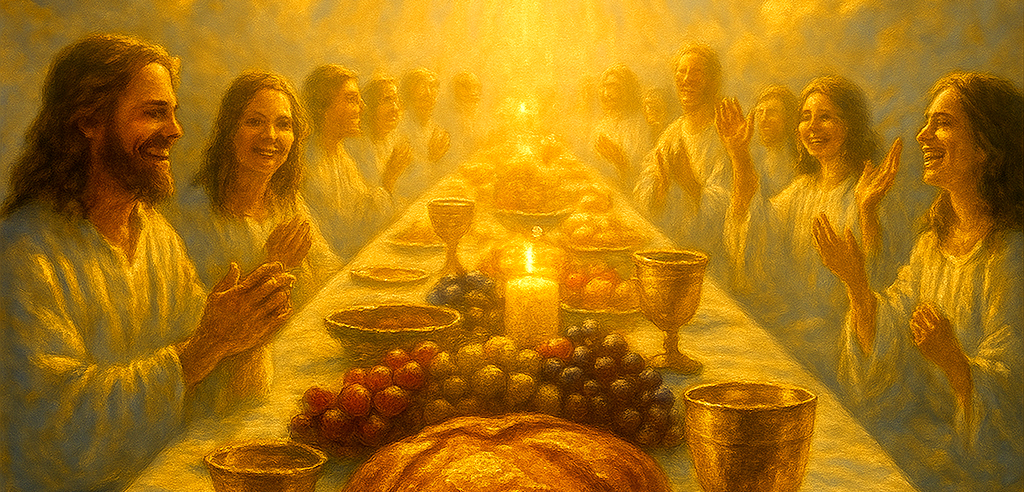
The Marriage Supper of the Lamb
In Revelation, we see the culmination of this theme: the Marriage Supper of the Lamb, a celebration of Christ and His bride — the Church.
“Blessed are they which are called unto the marriage supper of the Lamb.”
— Revelation 19:9 (KJV)
This isn’t symbolic alone — it’s a real event in eternity. The redeemed will gather, clothed in righteousness, to rejoice in the presence of the Lord. It’s the ultimate fulfillment of every feast foretold in Scripture.
Will We Eat in Heaven?
Jesus Himself hints at future dining with His disciples:
“I will not drink henceforth of this fruit of the vine, until that day when I drink it new with you in my Father’s kingdom.”
— Matthew 26:29 (KJV)
Even more compelling is what happened after His resurrection:
“And they gave him a piece of a broiled fish, and of an honeycomb. And he took it, and did eat before them.”
— Luke 24:42–43 (KJV)
This act wasn’t just proof of His physical resurrection — it was a preview of the kind of fellowship we’ll enjoy in eternity. Jesus, in His glorified body, ate with His disciples. It suggests that eating and drinking will be part of our eternal experience — not out of necessity, but as a celebration of joy and communion.
Consider This
The Great Banquet isn’t just a metaphor — it’s a promise. A promise of joy, restoration, and eternal fellowship. It reminds us that heaven isn’t sterile or distant — it’s relational, celebratory, and filled with the goodness of God.
- Heaven is a place of celebration, not isolation.
- God’s invitation is open to all who respond in faith.
- Feasting in heaven reflects eternal communion with Christ and His people.
“Let us be glad and rejoice, and give honour to him: for the marriage of the Lamb is come, and his wife hath made herself ready.”
— Revelation 19:7 (KJV)
So yes — we will feast in heaven. And the table is already being prepared. The question is: Will you accept the invitation?
Can Heaven Be Seen From Earth?
️ Can Heaven Be Seen From Earth? Biblical Accounts of Sightings
What does heaven look like? Can we see heaven from Earth? These questions have stirred the hearts of believers for generations. While heaven isn’t visible in the way we see stars or mountains, the Bible offers powerful glimpses into its reality—through spiritual visions, divine encounters, and prophetic revelations.
This article explores Christian beliefs about heaven and highlights Bible verses about heaven that show how God occasionally opened the eyes of His people to witness eternal truths. These moments weren’t ordinary—they were purposeful, personal, and deeply spiritual.
Isaiah’s Vision: A Glimpse of Glory
One of the most vivid heavenly encounters in the Bible comes from the prophet Isaiah. During a time of national mourning, Isaiah was given a vision that revealed the majesty of God’s throne.
“In the year that king Uzziah died I saw also the Lord sitting upon a throne, high and lifted up, and his train filled the temple.”
— Isaiah 6:1 (KJV)
This wasn’t a physical journey into the sky—it was a spiritual unveiling. Isaiah saw seraphim proclaiming God’s holiness, and the vision led him to repentance and a divine calling. It’s one of the clearest examples of what heaven looks like according to Scripture.
Ezekiel’s Encounter: Symbolism and Awe
Ezekiel’s vision is rich with symbolism and mystery. He saw radiant beings, wheels within wheels, and the glory of God moving like a storm.
“And I looked, and, behold, a whirlwind came out of the north, a great cloud, and a fire infolding itself… also out of the midst thereof came the likeness of four living creatures.”
— Ezekiel 1:4–5 (KJV)
This spiritual vision in Scripture wasn’t about geography—it was about divine presence. Ezekiel’s experience reminds us that heaven in the Bible is often revealed through imagery that points to God’s power and mobility, even in times of exile.
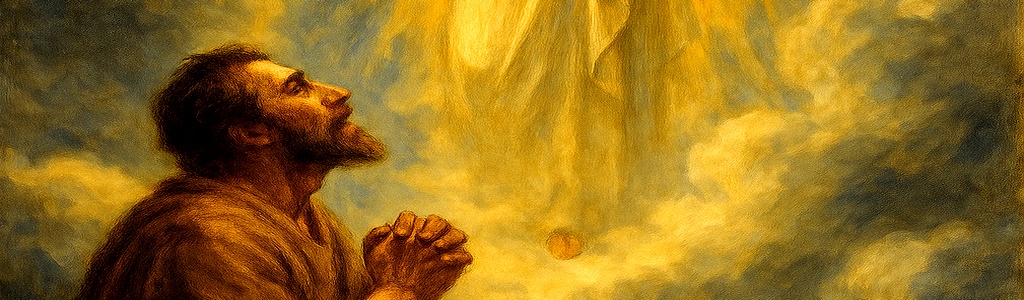
Stephen’s Final Glimpse: Heaven Opened
Stephen, the first Christian martyr, was granted a profound vision just before his death. As he was being stoned, he looked upward and saw heaven opened.
“But he, being full of the Holy Ghost, looked up stedfastly into heaven, and saw the glory of God, and Jesus standing on the right hand of God.”
— Acts 7:55 (KJV)
This wasn’t metaphorical—it was a direct biblical account of heaven. Jesus standing, rather than seated, is seen by many as a sign of divine welcome. It’s a deeply personal moment that affirms the reality of heaven and the reward of faith.
Paul’s Journey to the Third Heaven
The Apostle Paul described an experience so extraordinary that he spoke of it in the third person.
“I knew a man in Christ above fourteen years ago… such an one caught up to the third heaven.”
— 2 Corinthians 12:2 (KJV)
Though Paul didn’t detail what heaven looks like, his account confirms that heaven is real and accessible—not through human effort, but by divine grace. The “third heaven” refers to the highest realm, beyond the sky and stars, where God dwells.
John’s Revelation: Heaven’s Door Opens
The book of Revelation begins with John being invited into heaven’s realm—a vision that would shape Christian eschatology.
“After this I looked, and, behold, a door was opened in heaven… and immediately I was in the spirit: and, behold, a throne was set in heaven, and one sat on the throne.”
— Revelation 4:1–2 (KJV)
John’s vision is one of the most detailed Bible verses about heaven, filled with worship, judgment, and redemption. It shows that heaven is not passive—it’s active, glorious, and central to God’s eternal plan.
Consider This
So, can we see heaven from Earth? Not with human eyes—but through spiritual visions in Scripture, we catch glimpses that stir our hearts and anchor our hope. These biblical accounts of heaven remind us that:
- Heaven is real, even if unseen.
- God is near, even when we feel far.
- Faith is rooted in revelation, not speculation.
“For now we see through a glass, darkly; but then face to face…”
— 1 Corinthians 13:12 (KJV)
As believers, we walk by faith, trusting that one day we will see fully what has only been partially revealed. Until then, we hold fast to the glimpses God has given—and the promise that heaven is our eternal home.
The New Jerusalem: The Eternal City of Promise
The New Jerusalem: The Eternal City of Promise
Few images in Scripture stir the imagination and heart more than the vision of the New Jerusalem. This heavenly city, described in the closing chapters of the Bible, stands as the ultimate expression of God’s faithfulness and the hope of every believer. Through the eyes of the apostle John, we glimpse a reality so radiant and vast that it transforms our understanding of eternity.

The Vision Unveiled
In the book of Revelation, John records a breathtaking scene following the final judgment and the creation of a new heaven and a new earth. He writes:
And I John saw the holy city, new Jerusalem, coming down from God out of heaven, prepared as a bride adorned for her husband. — Revelation 21:2 KJV
This city is not merely a place—it is a promise. It represents the fulfillment of God’s covenant and the restoration of perfect fellowship between God and humanity. John continues:
And I heard a great voice out of heaven saying, Behold, the tabernacle of God is with men, and he will dwell with them, and they shall be his people, and God himself shall be with them, and be their God. And God shall wipe away all tears from their eyes; and there shall be no more death, neither sorrow, nor crying, neither shall there be any more pain: for the former things are passed away. — Revelation 21:3–4 KJV
Here, the New Jerusalem is revealed as the eternal home where God’s presence banishes all suffering and sorrow.
The City’s Stunning Dimensions
The description of the New Jerusalem is both awe-inspiring and precise. John writes:
And the city lieth foursquare, and the length is as large as the breadth: and he measured the city with the reed, twelve thousand furlongs. The length and the breadth and the height of it are equal. And he measured the wall thereof, an hundred and forty and four cubits, according to the measure of a man, that is, of the angel.
— Revelation 21:16–17 KJV
To grasp the scale, consider that twelve thousand furlongs translates to about 1,400 to 1,500 miles (2,200 to 2,250 kilometers) in each dimension. This means the city’s base alone would cover an area larger than most countries. The city’s cubic shape—with equal length, width, and height—echoes the design of the Holy of Holies in the Old Testament temple, emphasizing the holiness and perfection of God’s dwelling.
Dr. Tony Evans often highlights this dimension, noting that the city’s size is so vast it would dwarf any earthly metropolis. He points out that the New Jerusalem is not just a symbolic idea but a real, prepared place for God’s people.

The Symbolic Beauty of the City
The New Jerusalem is adorned with extraordinary beauty and rich symbolism. The city’s wall has twelve foundations, each decorated with a unique precious stone and inscribed with the name of one of the twelve apostles:
And the wall of the city had twelve foundations, and in them the names of the twelve apostles of the Lamb. — Revelation 21:14 KJV
These foundation stones, described in Revelation 21:19–20, include jasper, sapphire, chalcedony, emerald, sardonyx, sardius, chrysolite, beryl, topaz, chrysoprasus, jacinth, and amethyst. The number twelve is significant throughout Scripture, representing completeness and God’s people—both Israel and the church. The twelve gates, each made from a single pearl, bear the names of the twelve tribes of Israel:
And had a wall great and high, and had twelve gates, and at the gates twelve angels, and names written thereon, which are the names of the twelve tribes of the children of Israel. — Revelation 21:12 KJV
The precious stones and the number twelve recall the high priest’s breastplate from Exodus, symbolizing God’s care and presence among His people.
The Inhabitants and the Blessings Within
The New Jerusalem is the eternal home of God, the Lamb (Jesus Christ), the angels, and all of God’s redeemed children. John describes the city as “the bride, the Lamb’s wife,” highlighting the deep union between Christ and His church:
And there came unto me one of the seven angels which had the seven vials full of the seven last plagues, and talked with me, saying, Come hither, I will shew thee the bride, the Lamb’s wife. And he carried me away in the spirit to a great and high mountain, and shewed me that great city, the holy Jerusalem, descending out of heaven from God. — Revelation 21:9–10 KJV
Dr. David Jeremiah emphasizes that the New Jerusalem is both a literal city and a symbol of the church as the bride of Christ. He teaches that the city’s light comes from the presence of God and the Lamb, and that all nations will be represented among its inhabitants.
Within the city, John sees the river of the water of life and the tree of life:
And he shewed me a pure river of water of life, clear as crystal, proceeding out of the throne of God and of the Lamb. In the midst of the street of it, and on either side of the river, was there the tree of life, which bare twelve manner of fruits, and yielded her fruit every month: and the leaves of the tree were for the healing of the nations.
— Revelation 22:1–2 KJV
Dr. J. Vernon McGee notes that the New Jerusalem is the fulfillment of all God’s promises, a place of perfect fellowship and eternal joy for those who trust in Christ.

The New Jerusalem and the Renewal of Creation
The New Jerusalem is not an isolated city but the centerpiece of a renewed creation. The presence of the tree of life and the river of life recalls the Garden of Eden, symbolizing the reversal of the curse and the restoration of perfect harmony between God and His creation. This renewal encompasses not only individuals but the entire cosmos, as God’s original intent is fully realized.
Symbolic or Literal? Perspectives from Bible Teachers
There are differing views on the nature of the New Jerusalem. Many believers, following a literal approach to Scripture, see the city as a real, physical place that will exist on a renewed earth. Others recognize the rich symbolism in its description, understanding it as a representation of the church or the perfected community of God’s people.
Dr. Tony Evans affirms the reality of the New Jerusalem as the capital of heaven, emphasizing that it is a prepared place for believers. Dr. David Jeremiah teaches that the city is both literal and symbolic, with its light coming from God’s presence and its gates open to all nations. Dr. J. Vernon McGee explains that while the city is real, its description uses symbolic language to convey deeper spiritual truths.
Clarifying the City’s Location and Nature
The New Jerusalem is said to come “down out of heaven,” but it is described as being on the new earth, where God will dwell with humanity. Some interpret this as a literal city on a renewed earth, while others see it as a symbol of the heavenly realm. The Bible’s language invites us to hold both the physical reality and the spiritual significance in tension.
Consider This
As we reflect on the vision of the New Jerusalem, we are reminded that this city is not only a future hope but a present inspiration. The New Jerusalem calls us to live with hope, purpose, and anticipation, knowing that our eternal home is secure and that the best is yet to come.
The city’s beauty, its open gates, and its foundations of precious stones remind us of God’s faithfulness and the unity of His people. As citizens of this coming city, we are called to reflect its values—love, justice, and peace—in our daily lives. The New Jerusalem invites us to live faithfully now, knowing that our ultimate destination is a place where every tear will be wiped away, and where God’s presence will be our eternal joy.
Are We Truly Longing for Heaven? A Look at J. Vernon McGee’s Teachings
### **Are We Truly Longing for Heaven? A Look at J. Vernon McGee’s Teachings**
### **Introduction**
J. Vernon McGee, a beloved Bible teacher, was known for his straightforward and practical approach to Scripture. His teachings often challenged believers to reflect deeply on their relationship with Christ and the reality of Heaven.
One of his most striking messages was his assertion that Heaven is not simply a place of escape from suffering—it is a realm of worship, joy, and eternal communion with Christ. He questioned whether people truly longed for Heaven or merely feared the alternative.
This post explores McGee’s perspective on Heaven, the idea of being spiritually seated in “the heavenlies,” and what it means for us today.

—
### **McGee’s View on Heaven as a Place of Worship**
McGee emphasized that Heaven will be centered around worship. He warned that if worship feels dull or burdensome on Earth, it may reveal a lack of true longing for Heaven. Worship in Heaven will not be an obligation but an overflow of love and awe for God’s presence.
Many people think of Heaven as a place of personal joy, peace, and reunion with loved ones—but McGee urged believers to see it as more. It is the place where worship reaches its highest form, where every soul is captivated by the presence of God.
**Consider this powerful vision of heavenly worship:**
**”And the four beasts had each of them six wings about him; and they were full of eyes within: and they rest not day and night, saying,** *Holy, holy, holy, Lord God Almighty, which was, and is, and is to come.* **And when those beasts give glory and honour and thanks to him that sat on the throne, who liveth for ever and ever.”**
— **Revelation 4:8-9 (KJV)**
If this is what Heaven is—a continuous outpouring of praise—how does our current worship reflect that longing? McGee’s teaching invites us to examine our hearts. Worship is not merely a Sunday routine; it is preparation for eternity.

### **Being Seated in the Heavenlies**
One of McGee’s most profound teachings is the idea that believers are spiritually seated in “the heavenlies” with Christ. This concept is based on the truth found in Paul’s words:
**”And hath raised us up together, and made us sit together in heavenly places in Christ Jesus.”** **Ephesians 2:6 (KJV)**
McGee taught that salvation does not merely bring a person from spiritual death to life—it elevates them to a new position in Christ. Instead of remaining grounded in earthly struggles, believers are spiritually linked to the reality of Heaven.
But what does this mean in our daily lives?
– It means that our identity is not defined by temporary hardships but by the eternal promise that we belong to Christ.
– It means we should live with the mindset of Heaven—putting away earthly distractions and setting our hearts on eternal things.
Another verse supports this perspective:
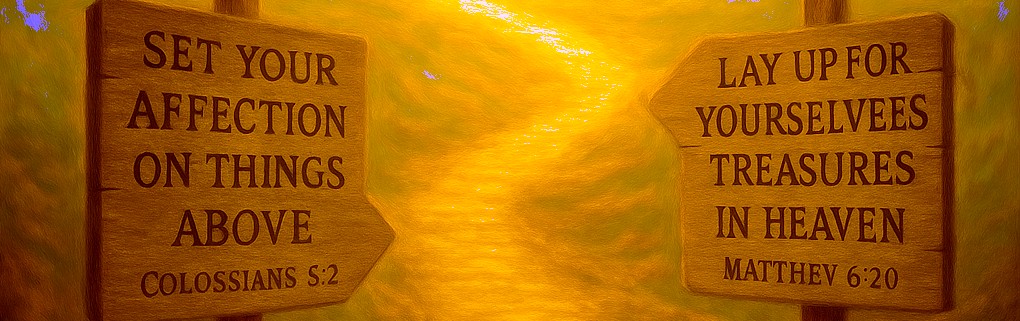
**”Set your affection on things above, not on things on the earth.”** **Colossians 3:2 (KJV)**
McGee’s teaching encourages us to ask: *Am I living in the reality of my spiritual position in Christ? Or am I consumed by earthly concerns?*
### **What This Means for Us**
McGee’s views on Heaven are not meant to instill fear but to provoke thought. Many people envision Heaven as a paradise free of suffering, but do they long for Christ Himself? McGee urged believers to consider their true desires—if Christ is not the center of our longing, then our understanding of Heaven may be incomplete.
To make this more relatable, imagine two individuals:
– One sees Heaven as an escape from earthly pain but has little interest in God’s presence.
– The other longs to see Jesus, to worship Him, and to be eternally in His presence.
Which one is truly longing for Heaven?
A stirring verse reminds us of the ultimate reward of eternity:
**”Beloved, now are we the sons of God, and it doth not yet appear what we shall be: but we know that, when he shall appear, we shall be like him; for we shall see him as he is.”** **1 John 3:2 (KJV)**
The way we live and worship today shapes our anticipation for eternity. By seeking Christ with genuine love, we prepare our hearts for Heaven, making our faith more than just belief—it becomes devotion.
### **Consider This**
Heaven is more than an escape—it is an eternal home for those who love Christ. McGee’s words challenge us to examine our hearts:
– **Do we truly desire Heaven, or do we just want relief from earthly suffering?**
Heaven is not simply a reward—it is a dwelling place for worshipers of God. If our longing for eternity lacks a desire for Christ Himself, we may need to reorient our hearts.
– **Is worship a joy to us, or merely a routine?**
Worship in Heaven will be pure, passionate, and ceaseless. Our experience of worship now should be a reflection of that. If worship feels uninspiring, how can we shift our perspective to find joy in honoring God?
– **Are we living as people who are spiritually seated with Christ?**
If believers are already seated in heavenly places with Him, we should live with the mindset of eternity. This means focusing on holiness, love, and devotion to God above all else.
One last verse sums up this heavenly perspective:
**”Lay up for yourselves treasures in heaven, where neither moth nor rust doth corrupt, and where thieves do not break through nor steal.”** **Matthew 6:20 (KJV)**
Heaven is not just a future destination—it is a present reality for those in Christ. As you reflect on McGee’s teachings, consider how you can deepen your longing for Christ, because in the end, **He is what makes Heaven heavenly.**
Will There Be Bad Thoughts in Heaven?
Will There Be Bad Thoughts in Heaven?
Exploring the Bible’s Vision of the Mind and Heart in Eternity
When we think about Heaven, many questions naturally arise: What will it be like? Will we remember our earthly struggles? And perhaps most personally—will we still wrestle with bad or sinful thoughts? For anyone who’s battled intrusive or negative thoughts in this life, the idea of a perfectly pure mind is both comforting and mysterious. Let’s explore what the Bible, especially the King James Version (KJV), reveals about the nature of our thoughts in Heaven and what this means for those who hope for eternity with God.

The Promise of Perfect Holiness
The Bible paints a vivid picture of Heaven as a place completely free from sin, impurity, and sorrow. Not only are sinful actions absent, but so too are the thoughts and desires that give rise to them.
Revelation 21:27 (KJV):
“And there shall in no wise enter into it any thing that defileth, neither whatsoever worketh abomination, or maketh a lie: but they which are written in the Lamb’s book of life.”
This verse makes it clear: nothing impure—whether deed, word, or thought—will enter Heaven. The very nature of the eternal state is one of perfect holiness, untouched by the stains of our fallen world.

The Absence of Sin and Sorrow
The Bible promises not just the absence of sin, but also the removal of all the pain and sorrow that sin brings. Imagine a place where not only our actions but even our inner struggles are gone.
Revelation 21:4 (KJV):
“And God shall wipe away all tears from their eyes; and there shall be no more death, neither sorrow, nor crying, neither shall there be any more pain: for the former things are passed away.”
All the sources of pain—including those that begin in the mind and heart—will be forever gone. The “former things,” which certainly include our battles with negative or intrusive thoughts, will have passed away.
Why Bad Thoughts Cannot Exist in Heaven
Two primary sources of sinful or negative thoughts are identified in Scripture:
-
Our Sin Nature:
On earth, we struggle with a fallen nature that inclines us toward sin and negative thinking. -
Temptation from the Devil:
We are also subject to external temptations from the enemy.
But in Heaven, both sources are removed:
Revelation 20:10 (KJV):
“And the devil that deceived them was cast into the lake of fire and brimstone, where the beast and the false prophet are, and shall be tormented day and night for ever and ever.”
With the devil banished and our sin nature eradicated, the very roots of bad thoughts are gone. Heaven is not just a place where we choose not to sin; it is a place where sin is no longer possible because we have been completely transformed.

The Transformation of Mind and Heart
One of the most profound promises of Scripture is that those who enter Heaven will be radically transformed—body, mind, and soul.
1 John 3:2 (KJV):
“Beloved, now are we the sons of God, and it doth not yet appear what we shall be: but we know that, when he shall appear, we shall be like him; for we shall see him as he is.”
To be “like Him” means sharing in Christ’s purity, love, and holiness. This transformation is called glorification, the final step in salvation where believers receive perfected, immortal bodies and minds free from all sin and imperfection.
This change is not something we accomplish ourselves; it is a gift of God’s grace. The sinful nature that once inclined us toward bad thoughts will be completely removed, replaced by a mind and heart perfectly aligned with God’s goodness.
What About Free Will?
A common question is: If bad thoughts cannot exist, do we still have free will in Heaven? The answer is yes, but it is a perfected freedom.
In this life, our will is often enslaved by sin and temptation, leading us to choose what is harmful or evil. In Heaven, our wills will be healed and fully aligned with God’s nature, so we will freely and joyfully choose only what is good.
Think of it like this: on earth, choosing good often requires struggle against temptation; in Heaven, the desire for evil will no longer exist, so choosing good will be natural and effortless. This is true freedom—the freedom to love and serve God without hindrance.

Addressing Common Concerns
-
Will Heaven Be Boring Without Struggle?
Some fear that without challenges or conflict, Heaven might be dull. But the Bible describes Heaven as a place of unending joy, wonder, and fulfillment.
Psalm 16:11 (KJV):
“Thou wilt shew me the path of life: in thy presence is fulness of joy; at thy right hand there are pleasures for evermore.”
In Heaven, the absence of evil makes room for perfect peace and happiness. There will be endless opportunities for worship, creativity, fellowship, and discovery in God’s presence.
-
What About Intrusive Thoughts?
Many believers struggle with unwanted, even disturbing thoughts in this life. The good news is that in Heaven, such thoughts will not exist. God promises a mind at perfect peace, free from torment or confusion.
Consider This
Heaven is not simply a reward for good behavior or a place where “good people” go. It is the ultimate fulfillment of God’s promise to redeem and transform those who trust in Him. The absence of bad thoughts is not just about personal comfort—it is about perfect union with God, unbroken by sin or sorrow.
Revelation 22:3-4 (KJV):
“And there shall be no more curse: but the throne of God and of the Lamb shall be in it; and his servants shall serve him: And they shall see his face; and his name shall be in their foreheads.”
If you long for a mind at peace, free from the turmoil of negative or sinful thoughts, Heaven offers that hope. The transformation God promises is total—heart, mind, and soul. This is not just wishful thinking, but the sure and certain hope held out in Scripture for all who are “written in the Lamb’s book of life.”
Heaven is not just the absence of bad thoughts—it is the presence of perfect love, joy, and fellowship with God and His people. It is the place where every longing for purity, peace, and belonging is finally and forever fulfilled.
Reflect: How does the promise of a transformed mind and heart in Heaven change the way you live today? What hope does this give you in moments of struggle with negative thoughts?
Are you ready for that kind of transformation? The invitation is open to all who trust in Christ’s redeeming work. In Heaven, the battle for the mind is over—and perfect peace will reign forever.
- Heaven Is Real: The Beautiful Comfort Of Knowing It
- The Hidden Joys of Walking With God: Quiet Blessings That Prepare Us for Heaven
- The Nearness of Heaven: Why Eternity Is Closer Than You Think
- Seeing Jesus in Heaven: What Scripture Reveals
- Beauty in Heaven: How God’s Glory Transforms Everything
- What Will Friendship Look Like in Heaven?
- What Happens Between Death and Resurrection?
- Is There Time in Heaven? What Eternity Really Means
- Where Do We Go When We Die? A Biblical Look at Eternity
- Will We Have Our Own Homes in Heaven? Understanding “Many Mansions”
- What Worship Will Be Like in Heaven
- Will We See God’s Face in Heaven?